
Unveiling the psychology behind casino design
The Role of Atmosphere in Casino Design
The atmosphere within a casino plays a pivotal role in influencing the behaviors and emotions of its patrons, often leading them to explore various options such as $10 neosurf deposit casino experiences. Designers utilize a combination of lighting, color schemes, and soundscapes to craft an environment that encourages extended visits. For instance, the strategic use of soft lighting creates a warm and inviting ambiance, making guests feel comfortable and relaxed. This sense of comfort minimizes the urge to leave, encouraging players to stay longer and engage more deeply with the games. The design of a casino’s atmosphere is a calculated move to enhance the experience, ensuring that customers feel at ease while they indulge in gaming activities.
Color psychology is also significant in casino design. Warm colors like red and gold are commonly used as they evoke feelings of excitement and luxury, while cooler colors can offer a calming effect. Each color choice is intentional, aiming to manipulate mood and enhance the overall gaming experience. By eliciting specific emotional responses through color, casinos create a psychological atmosphere that keeps players immersed and engaged in the gaming experience. For example, the use of vibrant colors around game tables can stimulate excitement, whereas softer tones in lounge areas promote relaxation and social interaction.
Moreover, sound design is an often overlooked aspect of casino ambiance. Background music and the sounds of slot machines are meticulously crafted to evoke excitement and anticipation. These audio cues not only enhance the atmosphere but also produce a sense of urgency, stimulating players to continue their gaming journey. The combination of visual and auditory elements works synergistically to create an engaging environment that encourages patrons to lose track of time and indulge in their gaming escapades. Casinos often use soundtracks that feature upbeat tempos and familiar tunes, further immersing patrons in a world of entertainment that seems to transcend the mundane realities outside.
Design Layout and Player Behavior
The layout of a casino is carefully orchestrated to guide player behavior and enhance their overall experience. Wide pathways and open spaces are commonly used to promote ease of movement and accessibility, while strategically placed gaming tables and machines maximize visibility. This design encourages players to explore the casino, drawing them to various areas and ensuring they encounter more games. The journey through the casino becomes an adventure, filled with opportunities and surprises. The thoughtful arrangement of gaming stations, bars, and lounges creates a fluid experience that entices guests to linger longer, increasing the likelihood of expenditure.
Circuitous paths intentionally disrupt a direct route to the exits, subtly encouraging patrons to wander and engage with more games. The use of sightlines to showcase popular games or high-stakes tables can also impact players’ decisions, making certain activities more appealing. Designers aim to create an environment where every corner reveals a new opportunity, leading to increased time spent on the premises and potentially higher gaming expenditures. This strategy keeps the excitement alive by ensuring that players are constantly stimulated by new experiences and visuals as they navigate through the space.
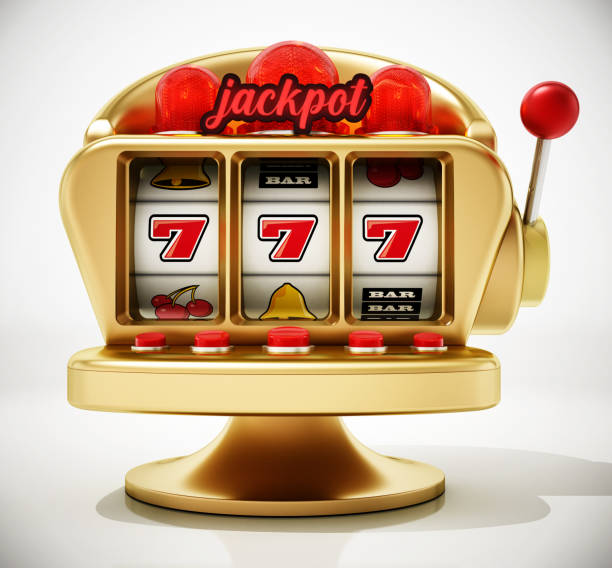
The social aspect of casinos is enhanced through design as well. Creating communal areas encourages interaction among players, fostering a sense of community within the excitement of competition. By integrating lounge areas, bars, and restaurants, casinos promote socialization, making the experience more enjoyable and inviting. These social interactions can lead to longer stays, as patrons feel more drawn to the collective excitement of the gaming environment. In essence, casinos are designed not just as places to gamble but as social hubs where players can connect and share in the thrill of their experiences.
Psychological Triggers in Game Design
Game design in casinos goes beyond mere entertainment; it heavily incorporates psychological principles that influence player behavior. The concept of near-misses is a crucial psychological trigger. When players come close to winning but fall short, it stimulates a strong emotional reaction that compels them to continue playing in pursuit of that elusive victory. This design strategy taps into a player’s desire for instant gratification, keeping them engaged and invested in their gaming experience. This phenomenon is prevalent in various games, from slot machines to table games, where the thrill of almost winning can drive players to keep betting in hopes of eventually securing a win.
Additionally, the reward system used in games is designed to create a cycle of reinforcement. The intermittent reward schedule, where wins are unpredictable but frequent enough to maintain interest, plays into the brain’s reward centers. This randomness creates excitement and anticipation, leading players to stay engaged for longer periods. Over time, the thrill of the unknown can become addictive, further entrenching players in the gaming experience. The way games are structured to provide small wins regularly keeps the adrenaline flowing and reinforces the desire to continue playing.
Progressive jackpots also serve as a psychological draw, as they create a sense of potential for life-changing wins. The allure of a growing jackpot entices players to invest more money in hopes of hitting the big win. This anticipation and the possibility of significant financial gain can override rational decision-making, compelling players to continue playing longer than they initially planned. The combination of these psychological triggers in game design contributes significantly to the overall success of casinos, as they create an environment where players feel both challenged and rewarded.
The Importance of Strategic Branding in Casinos
Branding in the casino industry is an essential aspect of design that impacts customer perception and loyalty. A strong brand identity establishes an emotional connection with patrons, influencing their choice of where to play. Colors, logos, and thematic elements are all integral to creating a memorable brand that resonates with the target audience. For example, casinos may adopt themes that invoke a sense of adventure, luxury, or nostalgia, drawing in players who identify with those experiences. This branding strategy is not merely about aesthetics; it’s about creating a narrative that captivates the audience’s imagination.

The strategic placement of branding elements throughout the casino enhances brand recognition and reinforces the intended message. From entrance signage to gaming tables, every aspect is designed to evoke specific sentiments that align with the casino’s identity. Consistent branding fosters trust and loyalty, encouraging repeat visits. This psychological connection not only impacts immediate spending but also cultivates long-term loyalty among players. The more invested players feel in a brand, the more likely they are to return, thus ensuring sustained revenue and a loyal customer base.
Moreover, casinos often leverage marketing strategies that create a sense of exclusivity, attracting high-value players. VIP areas and loyalty programs are designed to make certain patrons feel privileged and valued, creating an emotional bond that enhances their gaming experience. This focus on customer relationship management is instrumental in maintaining a loyal customer base, ultimately leading to sustained revenue for the casino. By recognizing and rewarding frequent players, casinos reinforce their brand while simultaneously encouraging increased spending and engagement.
Understanding Casino Design Through Research
The insights gained from research into casino design and psychology play a crucial role in shaping future environments in the gaming industry. By studying player behavior, preferences, and emotional responses, designers can refine their strategies to maximize engagement. This ongoing research helps identify trends in player demographics, enabling casinos to tailor their offerings to suit a wider range of clientele. Understanding the motivations behind player behavior fosters an environment where design elements can be implemented with greater precision. For instance, analytics on player habits can inform the placement of new games or amenities, enhancing the overall appeal of the casino.
Research into psychological impacts also plays an important role in addressing problem gambling. A deeper understanding of the psychological triggers and cues can lead to the implementation of responsible gaming measures in casino designs. By creating environments that promote mindfulness and awareness, casinos can help mitigate risks associated with gambling addiction while still providing a thrilling experience for all players. This balance is crucial for maintaining a positive reputation in the industry while safeguarding player welfare.
Additionally, the integration of technology in casino design is evolving rapidly. Innovations such as augmented reality and virtual gaming environments are reshaping how players interact with games. Ongoing research will be vital in understanding how these technologies impact user experience and psychological engagement. As the industry embraces these advancements, the insights gained will inform the next generation of casino design, ultimately enhancing both player satisfaction and business success. This commitment to research and adaptation is what will keep casinos relevant and engaging in an ever-changing entertainment landscape.